Building a Business With Values With Kristi Soomer
Jan 14, 2026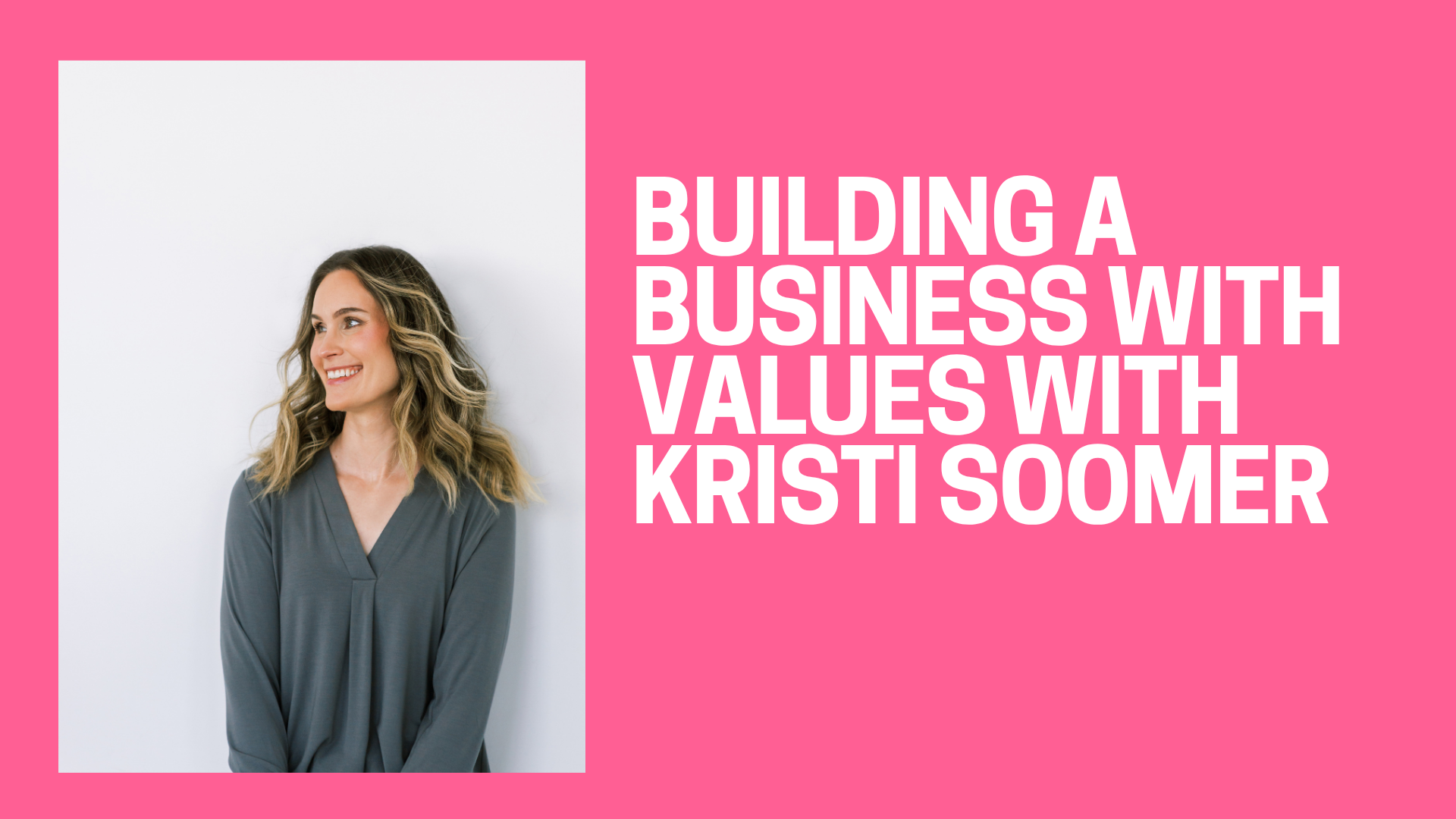
What Running a Sustainable Clothing Brand Can Teach You About Marketing Your Small Business
You don't need to be everywhere, you don't need to dance on camera, and the boring stuff is what actually moves the needle.
Not every marketing lesson comes from a marketing expert. Some of the best ones come from founders who've spent over a decade figuring out how to grow a business from a side hustle into something real — and who are honest enough to tell you what actually works versus what just looks good on Instagram.
In this episode of Market This, I talked with Kristi Soomer, the founder and CEO of Encircled, a Canadian-made slow fashion brand she's been building since 2012. Kristi comes from a corporate background in management consulting and brand management at companies like Colgate Palmolive. She's also a certified B Corp, a speaker, and a coach who helps other product-based entrepreneurs scale thoughtfully. We covered everything from product-market fit to the reality of marketing when you don't want to be on camera — and there's plenty here that applies whether you sell products or services.
Start With a Problem Worth Solving
Kristi's biggest piece of advice for anyone launching a product-based business — and honestly, this applies to services too — is to make sure the idea actually works in practice, not just in theory.
A lot of people launch products that sound great on paper but can't be executed at the right price point, with the right materials, or for an audience that's actually willing to pay. The market is noisy. If you want traction early, you need a specific niche and a clear reason for your product or service to exist.
This mirrors something I talk about constantly with service-based business owners: if nobody asked for it, there's no point putting it into the world. The unglamorous first step of any business is confirming that real people actually want what you're offering — not just assuming they do because the idea excites you.
Niche Down or Get Lost in the Noise
Kristi sees this all the time with the e-commerce brands she coaches: founders resist getting specific because they don't want to exclude potential customers. But the brands that gain traction fastest are the ones with a tight focus — a specific skin condition, a specific profession, a specific lifestyle.
Sound familiar? It's the same principle behind messaging for service-based businesses. When you try to speak to everyone, you connect with no one. Getting specific doesn't shrink your audience — it clarifies it. And clarity is what makes people stop scrolling and think "this is for me."
The market is too crowded for vague positioning, whether you're selling sustainable clothing or bookkeeping services. Find your people. Speak directly to them. Let everyone else find you through that specificity.
You Don't Have to Be the Face of Your Brand
One of the most refreshing parts of this conversation was Kristi's honesty about not wanting to be a content creator. She didn't start a clothing company to dance on camera or film day-in-the-life videos. And she's found ways to grow the brand without doing that — primarily by collaborating with content creators who produce the visual content on her behalf.
That comes with a cost, but it's a legitimate strategy. And it's a good reminder that there's no single right way to show up on social media. If you're a service-based business owner who hates being on camera, there are alternatives: blog posts, SEO, email marketing, behind-the-scenes content that doesn't require you to perform.
The key insight Kristi shared was this: at a recent pop-up shop, customer after customer came up and said "I see all your Instagram posts." She was shocked — because posting on Instagram often feels like talking to nobody. But people are watching. They're just not always commenting or liking. The lurkers — the silent followers who consume everything and then show up ready to buy — are real. And they're often your best customers.
Transparency Is a Brand Strategy
In an industry full of greenwashing and exaggerated claims, Kristi has built her brand on saying what's true — even when the truth isn't flattering. She'll tell you when a pop-up shop had a day with zero sales. She'll tell you which fabrics are more sustainable than others, even if the less sustainable one is the one customers recognize and love. She'll tell you that running a product-based business for 13 years doesn't mean she's out of the small business category.
That transparency isn't just refreshing — it's strategic. In a world where consumers are increasingly skeptical of marketing claims, being honest about what you do well and where you fall short builds a kind of trust that no amount of polished content can replicate.
For service-based businesses, the lesson is the same. You don't have to pretend everything is perfect. Sharing the real stuff — the behind-the-scenes challenges, the honest results, the lessons from things that didn't work — is what makes people trust you enough to buy.
Be Realistic About What It Takes
Kristi is direct about something that doesn't get said enough: entrepreneurship is over-glamorized. The laptop-on-the-beach fantasy is not what running a real business looks like. After 13 years, she's still working hard, still learning, and still navigating challenges. The businesses that survive aren't the ones with the flashiest marketing — they're the ones run by people who are genuinely passionate about what they do and realistic about what it takes.
If you're not passionate about your product or service, you'll give up after three months when things get hard. And things will get hard. The boring work — managing inventory, tracking your numbers, understanding your margins, doing the repetitive marketing that doesn't feel exciting — is what actually builds a sustainable business. Not the shiny stuff. Not the viral moments. The nerdy, boring, behind-the-scenes work.
Focus on What Works and Drop the Rest
With more platforms than ever competing for your attention, the pressure to be everywhere is intense. Kristi's approach is simple: figure out where your customers actually are, focus on being excellent there, and let the rest go.
This year, Encircled stopped doing Pinterest because it wasn't generating enough traffic or sales to justify the time. That's not failure — that's smart resource management. And it's the same advice that applies to any small business owner drowning in platform options: you don't need to be on Instagram, Threads, TikTok, Pinterest, LinkedIn, and YouTube. You need to be consistent on the one or two channels that are actually driving results.
Start with the data. Where are your clients coming from? Where are you getting the best engagement? Put your energy there and give yourself permission to ignore the rest.
🎧 Listen to the podcast
If you're a local, service-based business owner who's done great work but struggling to put it into words, Market This is the podcast that helps you fix that.
Listen to the show here:
Shopify: https://open.spotify.com/show/1rfllDKDEW62DQBb7HMBHS
Apple Podcasts: https://podcasts.apple.com/us/podcast/market-this-local-business-marketing-content-marketing/id1719786195